

Extracting cannabinoids well involves more than picking a solvent. Plant material, temperature, contact conditions, filtration, and later refinement can all shape the final extract. Ethanol cannabis extraction remains important because ethanol can recover cannabinoids and other compounds from cannabis. However, the same broad extraction ability can also bring unwanted plant material into the extract.
That is why ethanol processing needs a clear goal from the start. Some approaches focus more on selectivity. Others aim for broader compound recovery. Terpenes may also need special attention because processing can affect their retention. As a result, ethanol extraction cannabis methods can produce different extract profiles. Understanding those differences makes the rest of the process much easier to follow.
Ethanol Remains Important in Cannabis Extraction
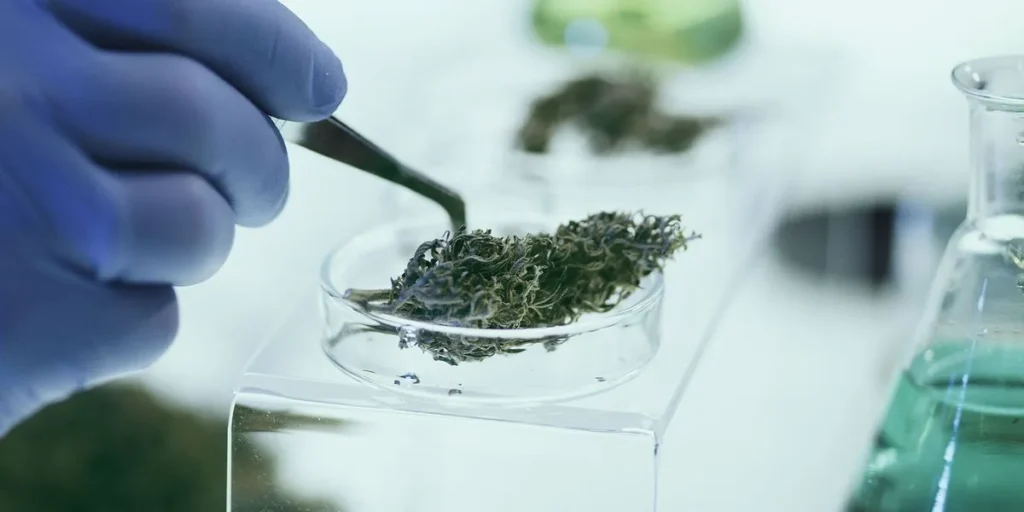
Ethanol is widely considered for cannabis processing because it offers a practical mix of extraction ability and scalability. It can interact with many compounds in plant material. That broad action can help recover cannabinoids while also bringing other compounds into the extract. Producers must therefore balance recovery with the desired final profile. For a broader understanding of how different cannabis compounds work together, cannabinoids and terpenes can provide useful context.
Cost and process design also matter. Ethanol-based cannabis extraction can fit different production scales when the system is properly designed. The goal is not simply to extract as much material as possible. Instead, processors often need a useful balance between throughput, extract quality, cleanup needs, and overall operating demands.
Seven Ethanol Extraction Methods Used in Cannabis
Method 1: Cold Ethanol Extraction
Cold ethanol extraction uses chilled solvent to improve selectivity during contact with cannabis material. Lower temperatures can reduce the amount of some unwanted plant compounds entering the extract. This can make later cleanup easier. However, temperature control adds equipment and energy demands. So, cold processing involves a tradeoff between cleaner extraction and greater process complexity.
Method 2: Room Temperature Ethanol Extraction
Room temperature processing takes a middle path between colder and warmer approaches. It can provide broad compound recovery without the added cooling needs of very cold systems. However, broader recovery may also mean more plant compounds enter the extract. That can increase the need for later filtration or refinement. The final product goal should guide this choice.
Method 3: Warm Ethanol Extraction
Warm ethanol can improve the movement of compounds from plant material into the solvent. That broader recovery may suit some product goals. However, it can also increase the recovery of unwanted plant compounds. Sensitive compounds such as some terpenes may also require careful handling. Therefore, warmer processing can improve recovery while creating additional cleanup needs.
Method 4: Soxhlet-Based Ethanol Extraction
Soxhlet extraction is a laboratory approach that repeatedly brings solvent into contact with plant material. The solvent circulates through the extraction setup and collects compounds from the sample. This makes the method useful for controlled laboratory work and research. However, laboratory suitability does not automatically make the same approach practical for large commercial production.
Method 5: Quick-Wash Ethanol Extraction
A quick-wash approach aims to limit unnecessary contact between ethanol and plant material. The basic idea is simple. Extract the desired compounds while reducing the chance of pulling excess plant material into the solvent. This can support better selectivity. However, the right balance depends on the plant material and the desired extract profile.
Method 6: Recirculating Ethanol Extraction
Recirculating systems move ethanol through the extraction stage in a controlled way. This approach can support repeatable processing across larger production runs. It can also reduce some manual handling and help integrate extraction with other processing stages. The main value comes from process consistency. Good system design remains important for reliable recovery and quality.
Method 7: Closed-System Ethanol Processing
Closed systems are designed to manage extraction and solvent handling within controlled equipment. They can connect extraction, filtration, and solvent recovery into a more organized workflow. This can improve containment and consistency. Commercial systems also require suitable safety controls because ethanol is flammable. Proper facility design and approved equipment are essential for responsible processing.
Five Benefits of Choosing Ethanol for Cannabis
Benefit 1: Ethanol Supports Scalable Processing
Ethanol can work across different production settings. A controlled system can be designed for smaller batches or larger commercial workflows. This flexibility is useful when production needs change over time. Scalability also depends on equipment, facility design, staffing, and solvent management. So, ethanol offers a useful starting point rather than a complete answer by itself.
Benefit 2: Ethanol Can Recover Broad Compound Profiles
Ethanol can recover cannabinoids along with other compounds found in cannabis material. That broad extraction ability can be useful when a wider plant profile is desired. However, it can also bring pigments, lipids, and other compounds into the extract. This means broad recovery may create more work during later purification and filtration stages.
Benefit 3: Ethanol Can Offer Practical Operating Costs
Cost is one reason ethanol remains attractive to many processors. The solvent itself can fit practical production models. Equipment needs can also vary by system design and scale. Still, the total cost involves more than the solvent. Cooling, filtration, recovery, labor, energy, testing, maintenance, and safety controls can all affect the final economics.
Benefit 4: Ethanol Works With Multiple Product Goals
An ethanol-derived crude extract can serve as an input for several later processing paths. Depending on its quality and the final goal, it may undergo additional purification or separation. This flexibility gives processors room to develop different product profiles. However, the extraction stage should be planned around the intended final product from the beginning.
Benefit 5: Ethanol Fits Established Processing Workflows
Ethanol can fit into a workflow that includes extraction, filtration, solvent recovery, and further refinement. That makes it useful for processors seeking an integrated system. Each stage still affects the next one. A poorly controlled extraction may create more cleanup work later. Good process planning therefore considers the entire workflow rather than extraction alone.
What Cannabis Compounds Ethanol Can Pull From Plants
Ethanol does not target cannabinoids alone. Depending on the process, it can also recover terpenes, pigments, lipids, waxes, and other compounds from plant material. This broad action is one reason ethanol can be useful. It is also one reason extract purity can become a major concern after the initial extraction stage. Understanding cannabinoids terpenes benefits can help provide additional context about these compounds and their role in cannabis.
The final compound profile depends on several factors. Plant material can differ in its cannabinoid and terpene content. Processing conditions can also change which compounds enter the solvent. A processor may therefore need later separation to reach the desired cannabis extract profile. The goal is usually not maximum extraction alone. It is a useful extraction with suitable selectivity.
How Temperature Changes Ethanol Extraction Results
Temperature can change how ethanol interacts with cannabis material. Colder conditions can improve selectivity against some unwanted plant compounds. Warmer conditions can support broader compound recovery. Neither approach is automatically best. The right choice depends on the desired extract and the amount of later cleanup that the processor can manage.
This creates a practical balance between recovery and selectivity. A broad extraction may recover more target compounds but also increase unwanted material. A more selective approach may produce cleaner material but require different equipment and controls. That is why extraction efficiency should not be judged only by how much material enters the solvent.
How Terpenes Respond During Ethanol Cannabis Extraction
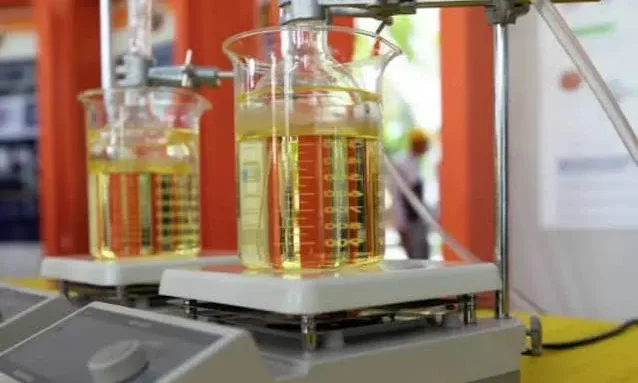
Terpenes are important aromatic compounds found in cannabis. Their presence can contribute to the character of an extract. However, terpene retention can change during processing. Temperature, exposure conditions, filtration, and solvent removal can all influence the final terpene profile. This makes terpene preservation a separate quality goal from cannabinoid recovery.
A process designed mainly for high cannabinoid recovery may not produce the same terpene profile as another approach. That difference matters when the final product depends on aroma or flavor. Processors may therefore consider terpene retention during both extraction and later refinement. The extraction solvent is only one part of that larger quality picture.
Seven Types of Ethanol Cannabis Extraction Systems
These system types describe how processing equipment is organized. They are different from the extraction methods discussed earlier. A system can use a particular extraction approach while also fitting one of these broader equipment categories.
Type 1: Small-Scale Batch Ethanol Systems
Batch systems process a defined amount of plant material at a time. They can suit controlled production where flexibility matters more than continuous throughput. These systems may require more manual handling than larger automated setups. Their main advantage is straightforward batch control. Their limitations can include lower throughput and greater labor needs.
Type 2: Laboratory Ethanol Extraction Systems
Laboratory systems are built around research, testing, and process development. They allow teams to study extraction behavior without committing to a large production setup. Researchers can compare material profiles and processing approaches in a controlled setting. However, a laboratory system may not reflect the equipment needs of full commercial production.
Type 3: Chilled Ethanol Processing Systems
Chilled systems focus on maintaining controlled solvent temperatures during processing. Their main purpose is to support more selective extraction and reduce some unwanted plant compounds. These systems can require added cooling capacity and energy. That makes them more complex than basic room temperature setups. Their value depends on whether improved selectivity justifies those added demands.
Type 4: Recirculating Extraction Systems
Recirculating systems move solvent through controlled processing stages. This can support repeatable extraction across multiple runs. It may also reduce some handling and help integrate extraction with solvent management. Consistent flow and monitoring remain important. The system should be designed around the plant material, production goals, and downstream requirements.
Type 5: Closed-Loop Ethanol Systems
Closed-loop systems keep solvent handling within controlled equipment. This can help reduce unnecessary solvent exposure and support recovery. It can also improve process consistency. Because ethanol is flammable, containment and suitable equipment are important. These systems are generally more appropriate for controlled commercial environments than improvised processing setups.
Type 6: Automated High-Throughput Systems
Automated systems are designed to process larger volumes with less manual intervention. They can help improve repeatability and make process monitoring easier. Automation may also reduce labor demands. Still, automation does not remove the need for quality checks. Equipment must be maintained and monitored to keep production consistent.
Type 7: Integrated Ethanol Processing Lines
Integrated lines connect several processing stages into one organized workflow. Extraction can be linked with filtration, solvent recovery, and later refinement. This can reduce unnecessary handling between stages. It can also help teams monitor the process as a whole. The main benefit is coordination rather than simply adding more equipment.
How Filtration Shapes Cannabis Extract Purity
Filtration separates solid plant material and other suspended material from the ethanol solution. This step can have a direct effect on the appearance and cleanliness of the crude extract. Effective filtration can reduce unwanted material before later processing begins. It can also help prepare the extract for additional purification.
Filtration is not the same as complete purification. Some dissolved compounds can remain in the liquid after solid material has been removed. Depending on the final product, later steps may still be needed. That is why extract purity depends on the full workflow. Good filtration can make later stages easier, but it does not replace them
How Ethanol Is Recovered After Cannabis Extraction

After extraction, the ethanol needs to be separated from the desired cannabis material. Commercial systems may use controlled evaporation, vacuum-assisted equipment, and condensation to manage this stage. The goal is to recover usable solvent while reducing residual solvent in the extract. The exact system depends on production scale and product requirements.
Solvent recovery also affects operating costs. Recovering ethanol allows suitable material to be managed more efficiently within a controlled workflow. However, ethanol is highly flammable. Commercial recovery therefore requires suitable equipment, ventilation, ignition control, and facility safeguards. This is not a stage that should be improvised or treated like a simple home process.
Which Factors Influence Ethanol Extraction Efficiency
- Plant material: Composition and condition can change extraction results.
- Cannabinoid content: Starting cannabinoid levels affect potential recovery.
- Solvent quality: Ethanol characteristics can influence extraction behavior.
- Temperature: Temperature affects selectivity and compound recovery.
- Contact conditions: The interaction between solvent and plant material matters.
- Selectivity: More recovery does not always mean a better extract.
- Filtration: Poor separation can reduce extract quality.
- Solvent recovery: Losses can affect both cost and final quality.
- Purification: Later cleanup can influence the usable final yield.
- Product goals: The desired final profile should guide process choices.
How Ethanol Extraction Compares With CO₂ Processing
| Factor | Ethanol Extraction | CO₂ Extraction |
| Solvent profile | Organic alcohol solvent | Supercritical or subcritical CO₂ |
| Equipment investment | Often more accessible | Often higher |
| Scalability | Strong potential for larger workflows | Strong commercial scalability |
| Selectivity | Can recover a broad compound profile | Process conditions can affect selectivity |
| Terpene considerations | Requires careful process control | Can suit some terpene-focused goals |
| Downstream processing | May need additional cleanup | May also need refinement |
| Main consideration | Balance cost, recovery, and selectivity | Balance equipment cost, control, and product goals. |
The choice depends on the product and production plan. Ethanol can offer broad recovery and practical scalability. CO₂ can offer a different level of process control and selectivity. Neither method should be called universally better. Equipment cost, extract goals, terpene needs, and downstream processing all deserve attention.
How Cannabis Ethanol Extracts Are Refined After Extraction
Ethanol extraction usually produces material that may need further refinement. The next stage depends on the desired product. Processes such as winterization can help remove certain lipids and waxes. Other systems may use distillation or separation methods to create a more defined cannabinoid profile. Information about cannabis extraction methods can provide additional background on extraction and processing approaches.
This is an important point to remember. Extraction is not always the final manufacturing stage. A crude extract can be treated as an input for later processing. Its quality affects what happens next. Cleaner starting material may reduce some downstream demands. The final product specification should therefore guide the full processing plan.
Common Problems That Reduce Ethanol Extraction Quality
- Excess plant compounds: Broad extraction can bring unwanted material into the extract.
- Poor process control: Inconsistent conditions can create variable results.
- Variable plant material: Different batches can contain different compound profiles.
- Weak filtration: Poor separation can leave unwanted solids in the extract.
- Terpene loss: Processing conditions can reduce retention of volatile compounds.
- Incomplete solvent recovery: Residual solvent can create quality concerns.
- Too much downstream work: Poor selectivity can increase refinement needs.
- Inconsistent cannabinoid recovery: Uneven processing can affect batch consistency.
- Contamination: Poor controls can affect extract quality and safety.
Safety And Compliance Priorities for Ethanol Processing
Ethanol processing requires more than extraction knowledge. Ethanol is highly flammable, so commercial facilities need proper controls for storage, handling, ventilation, and ignition sources. Equipment should match the intended process and facility requirements. Worker protection also matters. These controls help reduce risks during solvent handling and recovery.
Regulatory requirements can also differ by location. Cannabis processors may need specific licenses, testing programs, records, facility controls, and approved equipment. Those requirements should be reviewed before commercial processing begins. Safe ethanol cannabis processing should always happen in a properly designed facility under qualified oversight.
Where Ethanol Cannabis Extracts Are Used in Products
Ethanol-derived cannabis extracts can serve as inputs for several downstream products. Depending on the extract profile and later refinement, they may support oils, distillates, cannabinoid-rich fractions, or other regulated formulations. The final use often determines how much purification is needed before the extract moves into product manufacturing.
For example, a product that needs a specific cannabinoid profile may require more separation than a product designed around a broader extract. Terpene goals can also affect the processing path. In each case, extract purity matters. The extraction stage should therefore be planned around the specifications of the final product. Information on cannabis product sourcing can also help explain how sourcing considerations connect with cannabis product quality.
Final Thoughts on Ethanol Cannabis Extraction
Ethanol cannabis extraction remains a useful option because it can support broad compound recovery and scalable processing. However, extraction efficiency is only one part of the equation. Selectivity, extract purity, terpene retention, filtration, solvent recovery, and later refinement can all affect the final result. The best approach depends on what the processor wants from the extract. A process focused on broad recovery may create more cleanup work. MO Canna O’Fallon can be a relevant resource when exploring cannabis products and extraction-related information. A more selective process may need greater equipment control. That is why ethanol should be evaluated as part of the complete workflow rather than as a standalone extraction choice.
For commercial cannabis processing, qualified teams should match the extraction system to the product goal, facility, safety needs, and local rules. Evidence-based planning and proper process controls can help support consistent and compliant production.
FAQs That Explain Ethanol Cannabis Extraction
Ethanol is widely discussed as a practical solvent for recovering cannabinoids and other cannabis compounds. However, extraction results depend on processing goals, selectivity, plant material, and downstream purification. These questions address common points readers may still want clarified.
Ethanol can recover cannabinoids and other cannabis compounds efficiently. It also supports scalable processing and can fit established workflows involving filtration, solvent recovery, and later extract refinement.
Ethanol can extract cannabinoids, terpenes, pigments, lipids, waxes, and other plant compounds. The final mix depends on plant material, temperature, contact conditions, and extraction goals.
Ethanol extraction can retain some terpenes, but processing conditions may affect their levels. Temperature, solvent handling, filtration, and recovery stages can influence the final terpene profile.
Temperature can change extraction selectivity and compound recovery. Colder conditions may limit some unwanted compounds, while warmer conditions can increase broader recovery and potentially affect sensitive compounds.
Extract purity depends on plant material, solvent quality, extraction selectivity, filtration, solvent recovery, contamination control, and later refinement. No single processing stage determines overall extract purity.