
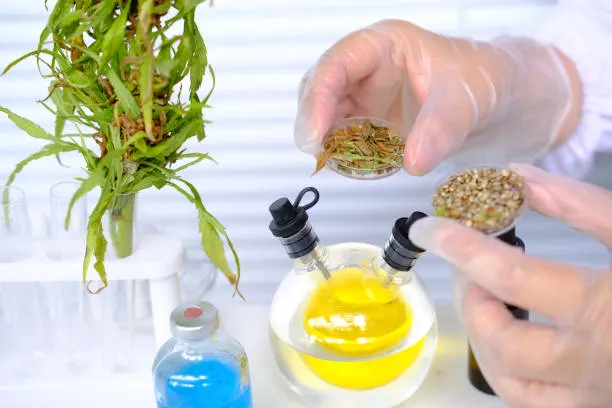
Many people use cannabis products without knowing how they are made. The quality, purity, and consistency of these products all begin with cannabis extraction. Understanding extraction helps explain why different products can vary in quality and performance. Learning about extraction makes it easier to compare products and understand what happens before they reach the shelf.
From selecting the raw plant to refining the final extract, every step affects the finished product. This guide explains the complete journey in simple language, including common extraction methods, processing stages, equipment, and quality practices that help produce clean and reliable cannabis extracts.
What Cannabis Extraction Means and Why It Matters

Cannabis extraction is the process of separating valuable compounds from the cannabis plant. These compounds include cannabinoids and terpenes, and other natural substances that are used to make oils, concentrates, and many other cannabis products. Simply put, extraction explained means taking the most useful parts of the plant and removing unwanted plant material.
The main purpose of extraction is to create clean, consistent, and concentrated products. Different methods are used depending on the desired result, and each one affects the final extract in its own way. Understanding cannabis processing helps consumers see why products can differ in purity, flavor, aroma, and overall quality. This basic knowledge also makes it easier to understand the extraction methods and production steps covered throughout this guide.
Why Cannabis Extraction Is Essential for Modern Products
Cannabis plants contain valuable compounds, but they must be separated from the raw plant material before they can be used in many products. This is why cannabis extraction plays such an important role. It creates clean extracts that can be used in oils, concentrates, capsules, edibles, and other products.
Turning Raw Plant Material Into Useful Products
Fresh cannabis contains cannabinoids, terpenes, and other natural compounds inside the plant. Through cannabis oil extraction, these compounds are separated and concentrated into a more usable form. This allows manufacturers to create products with consistent ingredients and controlled formulations.
Producing Cannabis Concentrates
One major goal of cannabis concentrate extraction is to create concentrated products that contain higher amounts of desired plant compounds. Different extraction methods produce different textures, cannabinoid profiles, and terpene levels, resulting in a wide variety of concentrate options.
Supporting Modern Cannabis Products
Today, cannabis extract production supports many types of consumer products. Extracts are used to make tinctures, vape oils, capsules, topicals, concentrates, and infused products. Without extraction, many of these products would not be possible because the valuable compounds would remain inside the raw plant material.
Step-by-Step: How the Cannabis Extraction Process Works
The journey from cannabis plant to finished extract follows several important steps. Each stage helps improve purity, consistency, and product quality. This cannabis extraction guide explains the process in simple language, so it is easy to understand.
Every extraction method has small differences, but the overall workflow remains similar. From preparing the plant to refining the final extract, each step influences the finished product and its characteristics.
Preparing Cannabis Before Extraction
The process starts with selecting quality cannabis plants. The material is cleaned, dried, and prepared for processing. Some methods also use freshly frozen plants to help preserve natural compounds before extraction begins.
Separating Valuable Cannabinoids From Plant Material
During the cannabis extraction process, valuable cannabinoids and terpenes are separated from the plant. Different methods use heat, pressure, solvents, or mechanical techniques for extracting cannabinoids while leaving much of the plant material behind.
Refining the Initial Extract
The first extract may still contain waxes, fats, or other unwanted compounds. Refining removes these materials to improve purity, consistency, and appearance. This step also helps create a cleaner and more stable extract.
Producing a Finished Cannabis Extract
After refinement, the extract is prepared for its final use. It may become an oil, concentrate, distillate, or another finished product depending on the production method. Quality test and carefully complete the process before the extract reaches consumers.
Understanding the Most Common Cannabis Extraction Methods
Solvent-Based Extraction Techniques
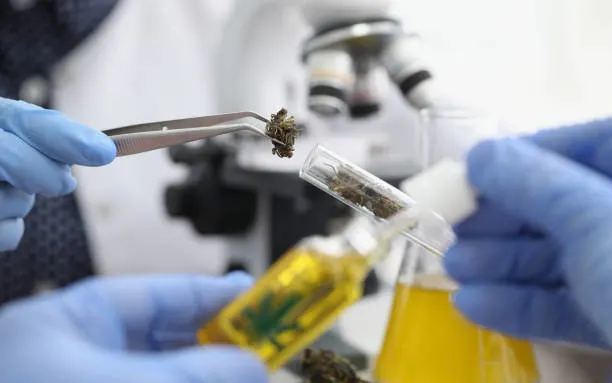
Solvent-based extraction uses a liquid or gas to remove cannabinoids and terpenes from the cannabis plant. After extraction, the solvent is carefully removed to leave behind a purified extract.
Common solvent-based methods include:
- CO₂ extraction uses pressurized carbon dioxide to produce clean and consistent extracts while preserving many valuable plant compounds.
- Ethanol extraction uses food-grade ethanol to dissolve cannabinoids and terpenes. It is widely used for producing oils and large batches of extracts.
- Hydrocarbon extraction uses solvents such as butane or propane to create products like live resin and shatter. This method is valued for preserving flavor and aroma but requires careful processing and purification.
Solventless Extraction Techniques
Solventless extraction separates plant compounds without using chemical solvents. Instead, it relies on physical methods that preserve natural cannabinoids and terpenes.
Common solventless methods include:
- Rosin pressing uses heat and pressure to squeeze resin from cannabis flower or hash, producing a clean concentrate without solvents.
- Ice water extraction, also called bubble hash, uses cold water and gentle agitation to separate resin glands from the plant before drying and collecting them.
- Dry sift extraction uses fine screens to separate resin glands from dried cannabis through gentle movement. The collected material can be used as it is or pressed into hash.
Comparing Popular Cannabis Extraction Methods Side by Side
Each extraction method creates different results based on the process, equipment, and goals. Comparing these methods helps explain why extracts can vary in purity, flavor, texture, and final use.
| Extraction Method | Main Advantages | Considerations | Common Uses |
| CO₂ Extraction | Produces clean and consistent extracts. It can preserve many valuable compounds with proper processing. | Requires advanced equipment and skilled handling. The process can be more complex. | Cannabis oils, tinctures, vape products, and refined extracts. |
| Ethanol Extraction | It works well for large-scale production and can extract a wide range of plant compounds. | Extra refining may be needed to remove unwanted plant materials. | Oils, capsules, tinctures, and general extract production. |
| Hydrocarbon Extraction | Helps preserve strong flavors and aromas. It is commonly used for flavorful concentrates. | Requires careful processing because solvents must be properly removed. | Live resin, shatter, wax, and other cannabis concentrates. |
| Solventless Extraction | Uses mechanical methods without chemical solvents. It can preserve natural plant characteristics. | Production may require more plant material and careful temperature control. | Live rosin, bubble hash, and premium concentrates. |
Understanding the differences between CO₂ extraction, ethanol extraction, and hydrocarbon extraction helps readers see why manufacturers choose specific methods. The right process depends on the desired product, quality goals, and extraction requirements.
Why CO₂ Extraction Remains a Preferred Industry Method
CO₂ extraction is widely used because it gives manufacturers better control during the extraction process. This method uses pressurized carbon dioxide to separate useful compounds from cannabis plants. Among different cannabis extraction methods, CO₂ is valued for producing consistent extracts with controlled qualities. For example, a company making cannabis oils may choose this method to create reliable batches. Understanding the benefits of cannabinoids and terpenes also helps explain why preserving these compounds is an important goal during extraction.
The process also supports cannabis oil extraction because manufacturers can adjust settings to target specific compounds. A producer creating tinctures or vape oils needs consistent results in every batch. CO₂ extraction helps meet this need by allowing careful control over purity, texture, and composition while supporting large-scale production.
How Solventless Extraction Creates Natural Concentrates
Solventless extraction creates cannabis concentrates without using chemical solvents. Instead, it uses physical methods such as heat, pressure, cold water, or filtration to separate valuable plant compounds. This approach has gained attention because many consumers prefer products made with simple extraction processes.
How Solventless Production Works
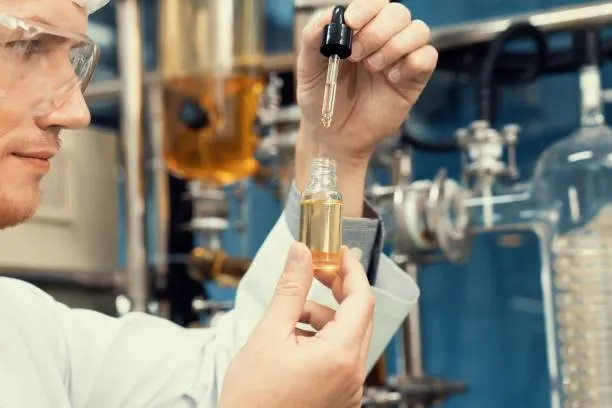
During solventless production, mechanical force helps separate resin from cannabis plant material. For example, ice water methods remove resin glands through cold water separation, while heat and pressure methods create products like rosin. These extraction techniques focus on collecting natural compounds without adding solvents.
Purity And Quality Factors
Solventless methods are valued because they avoid the need for chemical solvents during processing. The final product quality depends on factors such as plant material, temperature control, and production skill. Careful processing helps maintain the natural characteristics of the extract.
Why Consumers Choose Solventless Concentrates
Many people choose solventless cannabis concentrates because they value traditional processing methods and natural plant profiles. Products like live rosin and bubble hash are examples of concentrates created through these techniques. Understanding how they are made helps consumers compare different extraction options more clearly.
Important Refinement Steps After Primary Extraction
After the first extraction stage, the raw extract often needs additional processing. These refinement steps help improve purity, consistency, and the final product quality. Understanding winterization, decarboxylation, and cannabis distillation explains how extracts are prepared for different uses.
Each refinement stage has a specific purpose. Some steps remove unwanted materials, while others change or separate compounds. These processes help manufacturers create extracts with more controlled characteristics.
Why Winterization Improves Extract Quality
Winterization is a cleaning process that removes unwanted materials such as plant fats, waxes, and lipids from the extract. The extract is mixed with a cold solvent and filtered to separate these materials. This step helps create a cleaner and smoother final product.
How Decarboxylation Changes Cannabinoids
Decarboxylation uses controlled heat to change certain cannabinoid acids into their active forms. This process helps prepare extracts for specific product types and improves consistency. It is an important step when manufacturers create products that require specific cannabinoid profiles.
Why Distillation Produces Highly Purified Extracts
Cannabis distillation is a refinement process that separates compounds based on their boiling points. It helps remove unwanted materials and creates highly purified extracts. This method is commonly used when manufacturers need a consistent product with a specific cannabinoid concentration.
How Terpene Preservation Improves Final Extract Quality
Terpene preservation plays an important role in maintaining the natural aroma and flavor of cannabis extracts. Terpenes are plant compounds that contribute to the unique characteristics of different products. During cannabis extract production, manufacturers carefully control temperature and processing steps to help retain these valuable compounds.
For example, a producer creating premium cannabis concentrates may use gentle extraction methods to protect terpene levels. Better terpene retention can help maintain the original plant profile and create a more consistent product experience. This is why many manufacturers focus on preserving terpenes while developing high-quality extracts for consumers.
Common Myths About Cannabis Extraction Explained Clearly
Cannabis extraction can seem confusing because many terms and processes are misunderstood. Some common ideas about extraction methods are based on incomplete information.
Myth 1: All Extraction Methods Create The Same Results
Different extraction methods create different types of extracts. Factors like temperature, equipment, and processing steps affect the final product. CO₂ extraction, solvent-based methods, and solventless techniques each have unique characteristics.
Myth 2: Higher Potency Always Means Better Quality
Potency is only one factor when comparing extracts. Flavor, aroma, purity, consistency, and production methods also affect overall quality. A well-made extract depends on more than cannabinoid levels alone.
Myth 3: Solvent-Based Extraction Always Means Poor Quality
Solvent-based extraction methods can produce high-quality extracts when handled correctly. Proper processing and testing help remove unwanted materials and create consistent products.
Myth 4: Solventless Extraction Means Every Product Is Superior
Solventless methods are popular because they avoid chemical solvents, but quality depends on many factors. Plant material, processing skill, and storage also influence the final result.
Myth 5: Extraction Removes All Natural Plant Compounds
Extraction does not always remove every natural compound. Many methods aim to preserve cannabinoids and terpenes while separating them from unwanted plant material. Different techniques create different extract profiles.
Benefits of Understanding Cannabis Extraction Before Buying Products
Learning how cannabis extraction works helps consumers understand what goes into different products. It makes labels, methods, and quality factors easier to recognize. This guide helps readers make better choices by explaining how production methods influence final products. Understanding explained concepts, along with reviewing cbd lab test results, helps compare different extracts based on more than appearance or price. Knowing the basics creates more confidence when exploring available options.
Making Smarter Product Comparisons
Different extraction methods create different results. Understanding cannabis concentrate extraction helps you compare products based on texture, purity, flavor, and production methods. For example, two concentrates may have similar cannabinoid levels but different qualities because of how they were produced.
Understanding Product Labels With Confidence
Product labels often include details about extraction methods, ingredients, and cannabinoid content. Knowing common terms helps you understand what each detail means. This knowledge makes it easier to review product information and compare options before making a purchase.
Recognizing High-Quality Extracts
High-quality extracts depend on careful production, proper processing, and quality testing. Understanding extraction helps you recognize important factors such as terpene preservation, clean processing, and consistent product information.
Choosing Products That Match Your Needs
Every consumer may look for different qualities in an extract. Some may prefer flavor-focused products, while others may value consistency or specific characteristics. Learning about extraction methods and different cannabis consumption methods helps you choose products that better match your personal preferences.
Key Cannabis Extraction Facts Worth Remembering
The process involves several steps, methods, and quality checks. Understanding how extraction relates to the endocannabinoid system also helps explain why cannabinoids are carefully separated and refined before being used in different cannabis products. These quick facts summarize the main ideas behind cannabis processing and extracting cannabinoids.
- Cannabis extraction separates valuable compounds from raw plant material.
- Different extraction methods create different extract types and qualities.
- CO₂, ethanol, hydrocarbons, and solventless methods are common extraction options.
- Extraction techniques can affect flavor, aroma, texture, and purity.
- Terpene preservation helps maintain natural plant characteristics.
- Refinement steps like winterization and distillation improve extract quality.
- Decarboxylation changes certain cannabinoid forms through controlled heating.
- Cannabis concentrates are created by collecting and concentrating desired plant compounds.
- Proper equipment and careful processing help create consistent extracts.
- Storage conditions can affect the quality and stability of finished products.
- Understanding extraction methods helps consumers compare products with better knowledge.
- Quality depends on the complete process from plant selection to final testing.
Conclusion
Cannabis extraction plays an important role in creating consistent and reliable cannabis products. From plant selection to final testing, each step affects the quality, purity, and characteristics of the extract. Mocanna o Fallon helps provide better understanding of different extraction methods, allowing readers to see why products can have different textures, flavors, and profiles.
Now let’s see why this knowledge matters. Learning about extraction methods, refinement steps, and quality practices makes it easier to compare products with confidence. Whether using CO₂, ethanol, hydrocarbon, or solventless methods, each process has its own purpose. Good production depends on careful handling, proper equipment, and quality checks. By understanding the full journey, consumers can better recognize how cannabis extracts are made and what factors influence their final quality.
Frequently Asked Questions
These FAQs explain common questions about processes, quality, and product differences.
Different methods can preserve cannabinoids when properly controlled. The best choice depends on temperature, processing conditions, equipment, and the desired final extract quality.
Extraction affects purity, texture, aroma, and consistency. The method used during processing helps determine the characteristics and quality of the finished concentrate product.
Different techniques create different extract profiles. Manufacturers choose methods based on the desired texture, cannabinoid levels, terpene content, and final product purpose.
Terpene preservation helps maintain natural aromas and flavors. Careful extraction methods can protect these compounds and support the unique characteristics of different cannabis extracts.
Winterization removes unwanted fats, waxes, and lipids from extracts. This process helps create a cleaner product with improved appearance, consistency, and overall quality.