
Many people know about the brain, heart, and immune system. But few know about a body system that helps keep many functions steady. Endocannabinoid system work is an important topic because this hidden network helps manage stress, sleep, mood, and other daily needs.
Now let’s see why this system matters. Learning about the endocannabinoid system function can help you understand how your body stays in balance. This guide explains how the endocannabinoid system works, how ECS functions in the body, and how signals move through the body. You will learn about receptors, natural compounds, and the role of endocannabinoids.
Why Your Body Depends on the Endocannabinoid System

The human endocannabinoid system is a natural network inside your body. It helps many parts work together in a steady way. This system sends signals that help control sleep, mood, stress, appetite, and other daily functions. Even though many people have never heard of it, it plays an important role.
The endocannabinoid system, explained in simple terms, is like a support system that helps your body stay balanced. It does not control one single task. Instead, it helps different systems respond when changes happen inside or outside your body. The ECS function in the body is linked with homeostasis, which means keeping balance. When your body faces stress or changes, the ECS helps guide the right response and keeps communication between cells working smoothly.
How the Endocannabinoid System Works Step by Step
The body uses the endocannabinoid system to send and receive messages. These signals help cells respond to changes and keep balance. Now let’s see how the endocannabinoid system works through simple steps that explain how signals move inside the body.
How Endocannabinoids Carry Messages Between Cells
Endocannabinoids are natural compounds made by your body. They carry messages between cells when the body needs a response. This process is called endocannabinoid signaling. These small signals help the brain and body share updates about different needs.
How Receptors Receive and Respond to Those Signals
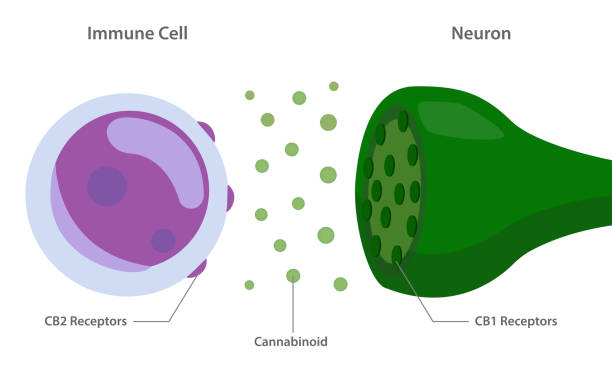
Endocannabinoid receptors receive these messages and help cells take action. The main receptors are CB1 and CB2. CB1 receptors are mostly found in the central nervous system. CB2 receptors are common in the immune system and other body areas. This helps create smooth endocannabinoid communication.
How Enzymes End Each Signal at the Right Time
Enzymes help control how long each message stays active. They break down endocannabinoids after they complete their task. Two key enzymes are FAAH and MAGL. They help manage signals so the body keeps proper balance and does not send extra messages.
Understanding the Natural Chemicals Behind ECS Activity
The endocannabinoid system depends on natural chemicals made by your body. These compounds help send signals when balance is needed. Now, let’s look at the two main endocannabinoids and how they support the endocannabinoid system’s work. Understanding cannabinoids and terpenes alongside these natural compounds can also help people better understand how different plant-based substances interact with the body’s natural systems.
Anandamide (AEA)
Anandamide (AEA) is a natural compound made when the body needs it. It helps support mood, sleep, and comfort. The body does not store Anandamide for later use. It is made on demand and broken down after its job is done.
2-Arachidonoylglycerol (2-AG)
2-Arachidonoylglycerol (2-AG) is another important endocannabinoid found in larger amounts. It supports the brain, immune system, and many daily body functions. It helps cells share signals during normal activity and when the body responds to change.
Why These Natural Chemicals Matter
The role of endocannabinoids is to help different parts of the body communicate. They carry messages only when needed and stop working after the task is complete. This process helps the body stay balanced and supports healthy daily function.
Where Cannabinoid Receptors Are Found in the Body
The endocannabinoid system works because its receptors are placed in different parts of the body. Each location has a different job. This helps the endocannabinoid system and supports many body functions instead of only one.
CB1 Receptor
The CB1 receptor is found mostly in the brain and the central nervous system. It is also present in some organs and tissues. These receptors help support memory, mood, sleep, movement, and pain response. Their location allows the brain to send and receive important signals.
CB2 Receptor
The CB2 receptor is found mainly in immune cells and the peripheral nervous system. It is also present in the spleen, digestive system, and other body tissues. These receptors help the body respond to changes that affect the immune system and normal healing processes.
Why Receptor Location Matters
The location of endocannabinoid receptors affects how they work. CB1 receptors mainly support brain communication, while CB2 receptors are linked with immune activity. Because they are found in different areas, they respond to different needs while working together to help the body stay balanced.
CB1 vs CB2 Receptors and Their Different Roles
CB1 and CB2 receptors both support the endocannabinoid system, but they have different jobs. Their location affects how they respond to signals. Understanding cannabinoid receptors CB1 and CB2 makes the endocannabinoid system much easier to understand.
| Feature | CB1 Receptor | CB2 Receptor |
| Primary Location | Brain and central nervous system | Immune cells and the peripheral nervous system |
| Main Function | Helps support mood, memory, sleep, movement, and pain response | Helps support immune response and normal healing processes |
| Body Systems | Brain, spinal cord, and some organs | Immune system, spleen, digestive system, and body tissues |
| Response | Receives signals linked with brain and nerve activity | Responds to signals related to immune function and body balance |
| Why It Matters | Helps the brain communicate with the body | Helps protect normal body function during daily changes |
You might notice that the CB1 receptor and CB2 receptor work as a team. They do different jobs but support the same goal. Together, they help the body respond to change and maintain a healthy balance every day.
The Role of the ECS in Supporting Healthy Function
Your body works best when everything stays in balance. The endocannabinoid system helps manage this balance every day. Now let’s see how homeostasis and ECS regulation support normal body function during daily life.
Helps Maintain Body Balance
Homeostasis means keeping the body stable even when things change. Body temperature, sleep, mood, and hunger all need balance. The ECS function in the body helps support this process by sending signals where they are needed.
Responds to Internal Changes
Your body faces changes all day. You may feel stress, exercise, or miss a meal. The ECS notices these changes and helps the body respond in a natural way. This is an important part of ECS regulation because it supports normal body function.
Supports Brain and Body Communication
The ECS helps different body systems share information. It allows the brain, nerves, and organs to work together. This steady communication helps the body adjust to daily needs and maintain healthy function.
Helps During Everyday Activities
You might notice your body adjusts after exercise or calms down after stress. The ECS supports these natural responses. It helps the body return to homeostasis so normal functions can continue throughout the day.
Why the Brain Relies on Endocannabinoid Communication
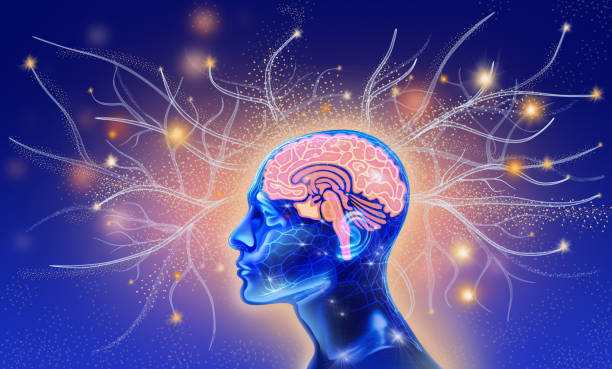
The brain depends on constant signals to control daily body functions. Endocannabinoid communication helps brain cells share messages quickly and clearly. This process supports the central nervous system, which controls memory, mood, sleep, movement, and the way the body responds to stress. A healthy endocannabinoid system works to help these signals stay balanced.
Endocannabinoid signaling helps the brain respond when your body faces change. It helps adjust signals instead of letting them become too strong or too weak. You might notice this system working after exercise, during stress, or while resting. This natural process helps the brain and nervous system work together throughout the day.
How the ECS Connects With the Rest of the Body
The endocannabinoid system is not limited to the brain. It works across many parts of the body through a network of signals. This helps the endocannabinoid system work and supports balance from head to toe. Different organs receive different signals based on what they need. The human endocannabinoid system helps these body parts communicate and respond in the right way. Now let’s see how this process works.
Communication Inside the Peripheral Nervous System
The peripheral nervous system carries messages between the brain and the rest of the body. The ECS supports this communication by helping nerve cells send and receive signals. This allows different body parts to react to daily changes while helping maintain ECS regulation.
How Different Organs Respond to ECS Signals
Each organ has its own job, so it responds to ECS signals in a different way. The brain, digestive system, immune cells, and other organs all use these signals based on their needs. This helps the body work as one connected system and stay balanced throughout the day.
Everyday Factors That Can Influence ECS Performance
The endocannabinoid system responds to many parts of daily life. Your habits can affect how well it supports balance over time. There are common factors that may influence ECS regulation and the endocannabinoid system’s work. Learning about benefits of cannabinoids and terpenes may also help people understand how these naturally occurring compounds are commonly discussed in wellness education.
Sleep
Good sleep gives the body time to recover and reset. Poor sleep may affect the role of endocannabinoids and how the body manages normal daily functions. Healthy sleep habits support better balance.
Stress
Short periods of stress are part of life. Long-lasting stress may affect how the ECS responds to body signals. Finding healthy ways to relax can help support normal ECS regulation.
Diet
A balanced diet gives the body the nutrients it needs. Healthy fats and whole foods help support many body systems. Good nutrition may also help the endocannabinoid system work as intended.
Exercise
Regular physical activity supports many natural body processes. Exercise may help the body produce more endocannabinoids during and after activity. This supports healthy body balance and overall wellness.
Aging
The body changes with age. These changes may affect how the ECS responds over time. Healthy daily habits can help support normal body function as you get older.
Environmental Influences
Daily surroundings can also affect the body. Poor sleep habits, long-term stress, pollution, and other lifestyle factors may place extra demands on the ECS. Healthy choices each day can help support a better balance.
Practical Ways to Support a Healthy ECS Naturally
Supporting the endocannabinoid system does not require complex steps. Small daily habits can make a positive difference over time. Here are simple ways to support the endocannabinoid system’s work and healthy ECS regulation. As you continue learning about hemp-derived wellness products, understanding different cannabis consumption methods can help you choose options that best match your personal preferences and lifestyle.
Daily Habits That May Support ECS Function
Regular sleep, balanced meals, daily movement, and stress management all support the endocannabinoid system function. Drinking enough water and staying active also helps the human endocannabinoid system support normal body balance. Small changes each day often add up over time.
Lifestyle Choices Worth Avoiding
Poor sleep, long periods of stress, smoking, heavy alcohol use, and an inactive lifestyle may place extra pressure on the body. These habits can make it harder for normal ECS regulation to support healthy daily function. Building steady routines may help support overall wellness.
When Professional Guidance May Be Helpful
If you have ongoing health concerns or questions about your wellness routine, speak with a qualified healthcare professional. They can help you understand your options based on your personal needs. Professional advice is the safest way to make informed health decisions.
Common Myths That Cause Confusion About the ECS
Many people hear about the endocannabinoid system for the first time when reading about CBD or wellness products. This has led to many common myths. Separate facts from fiction with an endocannabinoid system explained in simple terms.
Myth: The ECS Only Works With CBD
This is not true. The body has its own endocannabinoids that keep the system active every day. Endocannabinoid signaling happens naturally, even if a person never uses CBD or cannabis products.
Myth: The ECS Controls Only One Body Function
The ECS supports many different body systems. It helps with communication across the brain, immune system, and other organs. Its main goal is to help maintain homeostasis, not to control one single function.
Myth: Everyone Has the Same ECS Response
Each person is different. Age, lifestyle, sleep, stress, and overall health may affect how the ECS responds. This is one reason the endocannabinoid system can work differently for each person than for another.
Myth: Scientists Know Everything About the ECS
Research on the ECS has grown quickly, but scientists are still learning more about how it works. Current studies continue to improve our understanding of this important body system and its role in everyday health.
Benefits of Understanding Your Endocannabinoid System
Learning about the endocannabinoid system helps you better understand how your body works. It also makes health information easier to understand. Now let’s see how knowing more about the endocannabinoid system’s work can support better everyday choices. Reviewing cbd lab test results before choosing hemp-derived products can also help you better understand product quality and transparency.
Better Health Awareness and Smarter Decisions
An endocannabinoid system explained in simple language helps you understand why the body needs balance. This knowledge can help you make informed lifestyle choices and better understand general wellness information without relying on common myths.
More Confidence When Researching Cannabinoids
Many people read about cannabinoids before trying wellness products. Knowing the ECS function in the body makes it easier to understand how these compounds interact with the body’s natural systems. This helps you read health information with greater confidence.
Understanding the Body Beyond Individual Symptoms
The body works as one connected system instead of separate parts. Learning about the endocannabinoid system helps you see how the brain and immune system communicate. This broader view encourages a better understanding of overall wellness and body balance.
Key Facts to Remember About the Endocannabinoid System
The endocannabinoid system is a natural network that supports many daily body functions. Understanding the main ideas makes the topic easier to remember. Here are the most important facts to keep in mind.
- The endocannabinoid system work helps the body maintain balance throughout the day.
- The ECS supports homeostasis by helping the body respond to internal and external changes.
- The body naturally produces endocannabinoids only when they are needed.
- CB1 receptors are found mainly in the brain and central nervous system.
- CB2 receptors are found mostly in immune cells and other body tissues.
- Endocannabinoid communication allows cells to send and receive important signals.
- Enzymes stop each signal after its job is complete.
- Sleep, diet, exercise, stress, and aging can influence ECS activity.
- The ECS connects the brain with many organs across the body.
- Learning about the ECS helps you better understand overall health and wellness.
Bringing Everything Together About the ECS
The human endocannabinoid system is an important part of everyday health. It helps different body systems communicate and supports balance through normal ECS regulation. From the brain to the immune system, this natural network works quietly in the background every day. Mocanna o Fallon helps people better understand how the endocannabinoid system works, giving a clearer picture of how the body responds to daily changes and why healthy habits matter.
As you continue learning about wellness, choose information from trusted sources and focus on healthy daily routines. If you are exploring hemp-derived products, look for quality options that fit into a balanced lifestyle and use them as part of your overall wellness plan. A better understanding of the ECS helps you make informed choices with greater confidence while supporting your long-term health goals.
Frequently Asked Questions About the Endocannabinoid System
Many readers have extra questions after learning about the endocannabinoid system. Some topics need a little more explanation to make the whole process easier to understand. Here are answers to common questions that were not fully covered in this guide.
Yes. Aging, poor sleep, long-term stress, and unhealthy lifestyle habits may influence ECS activity and how efficiently the body maintains normal balance.
Healthy fats, nuts, seeds, fish, and whole foods provide nutrients that support overall body health and may help maintain normal endocannabinoid system function.
Yes. The ECS stays active throughout the day. It continuously monitors body changes and sends signals whenever balance and normal function need support.
Cannabinoids interact with CB1 and CB2 receptors by attaching to them or influencing their activity, which affects how the body processes different signals.
Yes. Long-term stress may influence endocannabinoid signaling and affect how the body responds to daily challenges and maintains healthy internal balance.