

Busy schedules and poor sleep leave many people drained every day. Some struggle with stress, while others deal with body tension that affects focus and mood. Many turn toward plant-based wellness products but feel confused by complex terms and mixed claims online. The effects of cannabinoids and terpenes have gained strong attention as more people search for natural support linked with restful feelings and better daily balance.
A nurse working long night shifts may look for calming wellness support after stressful routines and broken sleep. Interest in cannabinoids and terpenes effects keeps growing because users want a better understanding before trying new products. Medical teams also explore cannabis effects on the body and mind through wellness studies focused on stress comfort and mood response.
Brain Nervous System Effects Cannabinoids Terpenes
These plant compounds may interact with brain signals linked with mood, focus, memory, and relaxation. The effects of cannabinoids and terpenes on brain and nervous system responses can differ based on product blend, body chemistry, and use amount. Researchers continue to study cannabis effects on the body and mind through brain signaling and nerve pathway research, as discussed in the cbd lifestyle guide.
- Mood And Calm Feelings
Some cannabinoids may affect brain signals linked with stress and emotional balance. Users often report calmer feelings during busy or tense days. - Focus And Mental Clarity
Certain terpene blends may support alertness and focus. A student during exam season may prefer products linked with clear daytime support. - Relaxation And Rest Support
Some plant compounds are linked with slower brain activity connected with rest and evening calm after long work hours. - Nerve Signal Response
Cannabinoid interaction effects may influence how nerve cells send and receive body signals linked with comfort, mood, and daily wellness balance. - Memory And Awareness Changes
Some products may affect short-term focus or awareness for certain users, depending on the strength and personal body response. - Brain Function Comparison Tables
Health guides often use simple tables to compare brain functions with different cannabinoid and terpene effects for easier understanding.
Mood, stress, changes, cannabinoids, and terpenes impact
Daily stress and emotional pressure can affect sleep focus and energy levels. Many people now explore plant-based wellness support to help manage these feelings in a more natural way. Research continues to study how cannabinoids and terpenes affect mood and stress levels through body systems linked with emotional response. Different compound blends may create calming, uplifting, or balanced effects based on product type and personal body chemistry.

Biological Pathways Affecting Stress Response
The body uses natural signaling pathways to manage stress, mood, and emotional balance. Some cannabinoids may interact with receptors linked with calm feelings and relaxation support. A person handling long office hours or family pressure may look for wellness products that help support mental ease after busy routines.
Terpene Influence on Emotional Balance
Terpene effects in cannabis may shape how certain products feel during use. Citrus-based terpenes are often linked with fresh, uplifting feelings, while earthy blends may support deeper relaxation.
Psychoactive vs Therapeutic Cannabis Effects Guide
Some products change mood or awareness, while others focus more on calm feelings and body comfort. The psychoactive and therapeutic effects of cannabis depend on cannabinoid levels, terpene blends, and product strength. Many beginners feel confused when trying to understand which effects are linked with mental changes and which are connected with wellness support.
THC And Psychoactive Effects
THC is the compound most linked with psychoactive feelings. Some users report mood changes, stronger sensory responses, or altered awareness after higher THC use. These cannabis effects on body and mind may feel relaxing for some people, while others prefer lower-strength products for better daily comfort.
CBD And Therapeutic Support
CBD is often linked with calm support, body ease, and stress balance without strong mental effects. Many wellness users choose CBD-rich products for relaxation support during work stress, poor sleep, or physical tension after long routines.
Common Wellness Benefits
Some cannabinoids and terpenes’ effects may support body comfort, mood balance, and evening relaxation. Plant blends are often used in wellness routines focused on stress support and recovery care.
| Psychoactive Effects | Therapeutic Effects |
| May affect awareness and mood | May support calm feelings and comfort |
| Often linked with higher THC | Often linked with CBD-rich products |
| Can feel strong for new users | Usually chosen for daily wellness support |
| May change focus or perception | May support sleep and relaxation |
| Often used for recreational settings | Often explored for wellness routines |
Terpene Effects in Cannabis Aroma Body Response
They give products their scent and may also shape how certain blends feel in the body. Many people ask, do terpenes change cannabis effects when comparing products with similar cannabinoid levels? Research suggests terpene effects in cannabis may influence mood comfort, focus, and relaxation through combined body responses and sensory signals.
Limonene
Limonene has a citrus scent often linked with fresh and uplifting feelings. Some users choose limonene-rich products during daytime wellness routines for mood support.
Myrcene
Myrcene carries an earthy aroma and is commonly linked with calm evening support. Many people prefer it in products focused on rest and body relaxation.
Linalool
Linalool has a soft floral scent found in many herbs and flowers. It is often connected with stress relief and gentle, calming support.
Pinene
Pinene smells fresh and wood-like. Some wellness users choose products with pinene for alert feelings and mental clarity support during busy schedules.
Interaction Between Aroma and Body Response
Aroma compounds may influence how the brain and body respond to cannabis products. Certain scents may feel calming while others seem more active or refreshing. The effects of cannabinoids and terpenes can feel different when aroma compounds work together with cannabinoids inside the body. This interaction may shape cannabis effects on the body and mind based on personal response, product blend, and daily wellness needs, as highlighted in the modern dispensary experience.
Cannabinoid Interaction Effects in Human Systems
The body has a natural network called the endocannabinoid system that helps manage sleep, mood, appetite, and comfort signals. Cannabinoids may interact with this system through special receptors found in the brain and body. Researchers continue to study cannabinoid interaction effects because different compounds may create different wellness responses. Some people use cannabis-based products for stress support, while others explore them for sleep balance or body comfort needs.
Receptor-Based Biological Interaction
Cannabinoids connect with receptors that help control body signals and daily balance. Some receptors affect mood and focus, while others are linked with pain response, appetite, and relaxation. A person with poor sleep after long work hours may choose products designed for evening calm and rest support. These cannabis effects on the body and mind can vary based on product strength and personal body chemistry.
Combined Compound Synergy in the Body
Single-compound products often focus on one main effect, while full-plant blends may support broader wellness goals. The effects of cannabinoids and terpenes may feel more balanced when several compounds work together inside the body. Some users report better comfort and relaxation from combined formulas compared with isolated ingredients alone.
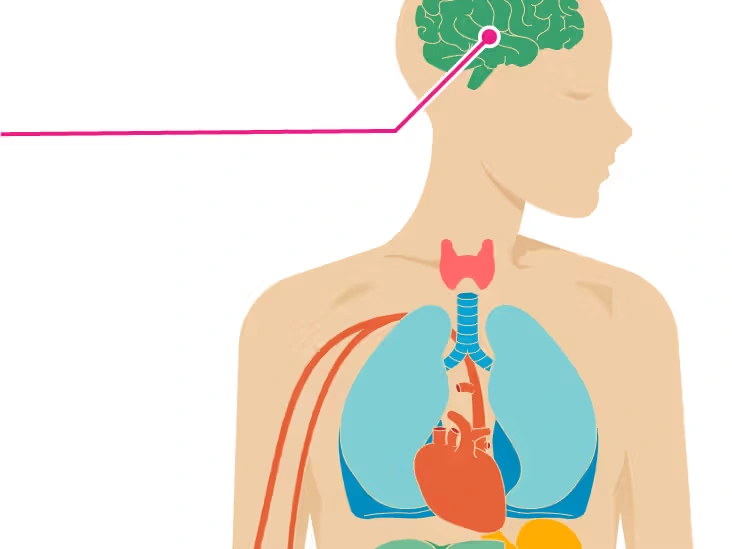
Brain and Nervous System Cannabis Compound Effects
Scientists study neurotransmitters because these chemical messengers help control many daily body functions. The effects of cannabinoids and terpenes on brain and nervous system activity can change based on product blend strength and personal response. Research also explores how these compounds influence calm feelings, mental clarity, and sensory awareness during wellness use.
Neurological Signaling and Chemical Response
- Mood Signal Changes
Some cannabinoids may affect brain chemicals linked with stress, emotional balance, and calm feelings during busy daily routines. - Relaxation Support
Certain terpene blends are connected with slower nerve signals that may support evening relaxation and better rest quality. - Pain Signal Response
Researchers study how cannabis compounds may affect nerve pathways linked with body discomfort and physical tension support. - Sleep Regulation
Some wellness products are designed to support brain signals connected with rest cycles and nighttime calm.
Cognitive and Sensory Processing Effects
- Focus And Attention
Some users report improved focus with balanced daytime blends, while stronger products may affect concentration differently. - Memory Response
Cannabinoids and terpenes’ effects may influence short-term memory depending on dose, product type, and individual body chemistry. - Sensory Awareness
Certain cannabis effects on the body and mind may change how people react to sound, light, taste, or touch sensations. - Mental Clarity Differences
Single compound products may feel different from full-plant blends because combined compounds can shape overall brain response patterns.
Stepwise Cannabis Therapy Approval Process Guide
Medical providers, insurance teams, and review staff often follow several steps before treatment access is approved. The process checks medical records, treatment goals, and safety details linked with cannabis therapy plans. Some reviews also study cannabinoid interaction effects and how different products may affect patient wellness needs and body response, as discussed in the cbd wellness goals.
Step 1: Submission of Request
A healthcare provider sends patient records, treatment history, and product details for review. This step explains why cannabis-based support may help the patient.
Step 2: Insurance Verification
Insurance teams review coverage details, policy terms, and treatment eligibility before moving the request into the next stage of approval review.
Step 3: Clinical Review
Medical reviewers study patient needs, wellness goals, and possible cannabis effects on the body and mind before making a treatment recommendation decision.
Step 4: Approval or Denial Decision
The review team may approve, deny, or request more records based on medical details, product use, and treatment support guidelines.
Step 5: Final Notification
Patients and providers receive the final update with approval status, treatment access details, and next steps for ongoing wellness care planning.
Side Effects of Cannabinoids Terpenes Explained Simply
Some users feel calm and relaxed, while others may notice mild side effects during early use. The side effects of cannabinoids and terpenes, explained in simple terms, can help users make safer and more informed wellness choices. Research continues to study cannabinoids’ and terpenes’ effects and how they influence comfort, focus, and daily body balance.
- Dry Mouth
Some users report a dry feeling in the mouth after cannabis use. Drinking water may help support comfort during wellness routines. - Dizziness or Lightheaded Feelings
Higher product strength may affect balance or focus for some people, especially during first-time use or larger serving amounts. - Fatigue And Sleepiness
Certain calming blends may create tired feelings or slower energy levels, especially in evening wellness products designed for relaxation support. - Changes In Focus
Some cannabis effects on the body and mind may include reduced attention or slower thinking during stronger product use. - Individual Sensitivity Differences
A product that feels mild for one person may feel stronger for another because body chemistry and tolerance levels can differ greatly. - Dosage Awareness Tips
Many wellness users start with lower amounts before increasing use. This approach may help reduce unwanted effects and improve comfort.
Relaxation Sleep Effects, Cannabinoids, Terpenes: A Guide
Cannabis wellness products are often explored for calm support and better nighttime comfort. The effects of cannabinoids and terpenes for relaxation and sleep may depend on product blend, body response, and evening habits. Some compounds may influence brain signals linked with rest, while certain terpene profiles are connected with calming body sensations and slower mental activity.

Calming Brain Signal Support
Some cannabinoids may affect neurotransmitters linked with relaxation and emotional balance. People with racing thoughts before bedtime often look for products designed to support calmer evening routines.
Stress-Related Sleep Issues
Daily pressure and mental tension may interrupt healthy sleep cycles. Certain wellness blends are used by people who want support for rest after stressful schedules or poor sleep habits.
Terpene Influence During Rest
Terpene effects in cannabis may shape how relaxing a product feels during nighttime use. Earthy or floral terpene blends are often linked with deeper calm and comfort support.
Natural Sleep Support Compared With Medication
Some users prefer plant-based wellness support instead of stronger sleep products that may leave them feeling tired in the morning. Cannabinoids and terpene effects may feel more gentle for people seeking balanced nighttime relaxation.
Final Thoughts: Cannabinoids, Terpenes, Body Effects
Research continues to improve our understanding of how cannabis compounds affect the body and support daily wellness. The effects of cannabinoids and terpenes may influence mood, sleep, stress, comfort, and relaxation through natural body signaling systems. Many users now explore these products for balanced wellness support while researchers continue studying safety response patterns and long-term use effects across different health settings and personal routines.
The cannabinoids’ and terpenes’ effects can vary based on product blend, body chemistry, and serving amount. Some people experience calm feelings and better rest, while others may notice mild side effects or greater mental changes. Growing research on cannabis effects on the body and mind helps both wellness users and healthcare groups make more informed decisions. Careful learning, product awareness, and balanced use remain important for safer and more responsible wellness support, as emphasized by Mo Canna O’fallon.
FAQS
These plant compounds may interact with brain receptors linked with mood, focus, relaxation, and memory. Effects often depend on product blend strength and personal body response.
is on mood?
Some users report calm feelings, stress relief, or mood balance, while others may feel more alert or emotionally sensitive, depending on the product type.
Certain terpenes are linked with calming body sensations and restful feelings. Earthy and floral terpene profiles are often used in relaxation-focused wellness products.
Psychoactive effects may change awareness or mood, while therapeutic effects are often linked with comfort, relaxation, stress support, and daily wellness balance.
Some people use cannabis wellness products for stress-linked sleep issues. Certain cannabinoid and terpene blends may support nighttime relaxation and restful comfort.