
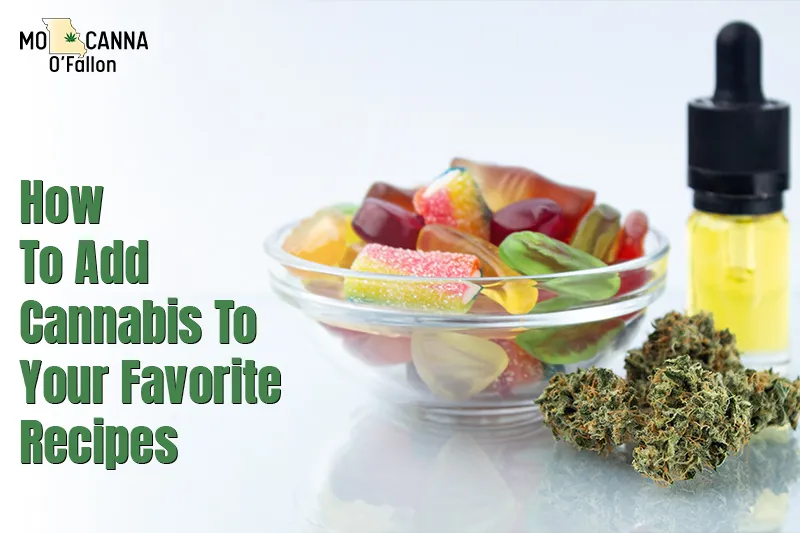
Ever wondered why food can feel calm after one warm bite? This guide opens the door to cannabis recipes for home cooks. The goal stays simple and clear. Now lets see how flavor meets care. Cannabis recipes work best with balance and patience. You learn safe steps without stress. Each idea feels easy and real. The focus stays on trust and comfort in your kitchen.
At cannabis dispensary safe, cooking with oils, butter, or drops should feel relaxed and safe. This guide provides help for heat timing and dose control. Home kitchens stay calm during each step. You avoid waste and mistakes early. Small tests build skill and care. Notes help guide future meals. You gain ease before sharing food with others at home.
Why Cooking with Cannabis Recipes Is Popular?
People seek calm joy when meals feel personal and creative. Cooking adds ritual and care at home. Cannabis recipes invite new taste paths and mindful moments. Many want wellness support without stress. Interest grows fast because results feel real. When done right, food feels balanced and gentle. This draws cooks who value comfort and control.
Proper steps matter to protect flavor strength and safety. Heat time and dose guide success every time. This guide shows how to cook with cannabis with ease. Beginners gain trust through clear moves. Fans refine skills with steady results. Meals stay tasty and calm for sharing. You learn smart habits that keep kitchens safe today.
Understanding Cannabis in Cooking
Cooking with cannabis starts with clear knowledge and calm choices. Food changes how cannabis feels in the body. Meals slow down effects and extend time. This helps many people feel steady. New cooks should learn the basics before starting. Knowledge builds comfort and avoids mistakes. This section explains how cannabis works during cooking. It also shares cannabis cooking tips for safe results.
THC vs CBD Effects in Recipes
THC brings a mind-lifting feeling during meals. CBD supports calm without a mind shift. This difference matters for meal goals. Some want joy, and others want balance. THC and CBD cooking requires clear intent to choose the right flower. Pick the right plant type before any prep. Light meals often pair with CBD focus. Social meals may use small THC amounts. Always think about who will eat the food. Choice guides comfort and control.

Decarboxylation Activating Cannabis
Raw cannabis needs heat to become active. This step unlocks desired effects in food. Without heat, meals may feel weak. Decarboxylation prepares cannabis for cooking. Start by heating low and slow in an oven. Spread plant pieces evenly on a tray. Use steady heat for proper activation. Let it cool before mixing with fats. This step protects flavor and strength. Follow these cannabis cooking tips for better meals.
2. Making Cannabutter for Infused Recipes
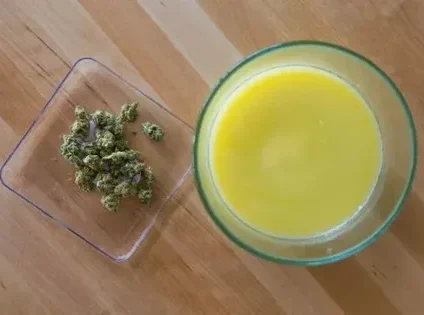
Making cannabutter at home feels simple once fear fades away. Many cooks start here for control. Butter holds plant effects well during cooking. This makes it a trusted base. Cannabutter recipes support sweet and savory meals. You choose strength, taste, and timing with ease. Slow steps reduce stress and waste. These cannabis kitchen tips help you feel ready. Calm prep always leads to better results.
Ingredients and Equipment
You need unsalted butter and dried cannabis flower. A grinder helps keep the texture even. Use a slow cooker or double boiler setup. Gentle heat protects flavor and strength. Clean jars matter for later storage. Keep tools simple and familiar. This setup works well for most kitchens. Beginners often feel more relaxed with basic gear.
Step-by-Step Instructions
Start by heating the flower to activate its effects. This step matters before mixing with butter. Melt butter slowly using low heat. Add prepared flour and stir at times. Let it warm for several hours with care. Do not rush this stage. Strain the liquid through a cloth into a jar. Allow it to cool fully before sealing.
Safety and Dosage Tips
Always plan strength using a cannabis dosage guide. Start low and wait before more. Label jars clearly after storage. Keep butter sealed in airtight containers. Store away from guests and kids. These cannabis kitchen tips support safe use daily.
3. Using Cannabis Infused Oils and Tinctures
Many home cooks choose oils and drops because they feel natural. They mix into food without much effort when following best extraction methods. Control stays in your hands. Flavor remains gentle when the heat stays low. These cannabis cooking tips help meals feel planned and calm. This method fits daily cooking without pressure.
Cannabis Infused Olive Oil
Cannabis infused olive oil works well with savory meals. It pairs nicely with pasta and warm vegetables. Salad dressing also works well with this oil. Low heat helps protect the strength and taste. Many cooks rely on it for repeat dishes. The oil feels smooth and familiar. It supports slow, relaxed kitchen time.
Cannabis Tinctures
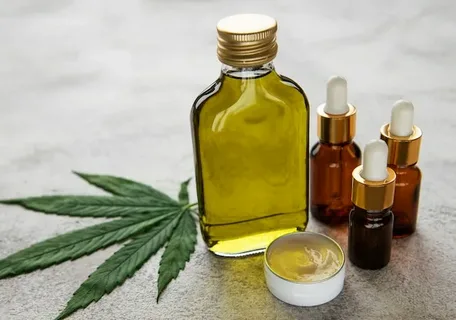
Cannabis tinctures feel easy and clear to use. Drops blend well with drinks and desserts. This allows steady and exact amounts. Many people prefer tinctures for control. Effects feel predictable with patience. This option suits careful planning at home.
Storage and Shelf Life
Store oils and drops in cool, dark places. Heat and light reduce strength over time. Refrigeration helps keep the quality longer. Always seal containers tightly. Label items to avoid confusion. These cannabis cooking tips protect taste and comfort.
4. Best Cannabis Recipes to Try
Trying new meals helps build comfort and joy at home. Cannabis infused recipes work best when dishes feel familiar. Start with foods you already enjoy. This keeps the experience relaxed and clear. Edibles recipes taste better when stress stays low. Small steps help you learn balance and timing. These meals fit normal days without pressure.
Breakfast and Brunch
Morning meals feel gentle and easy to manage. Cannabis infused French toast works well with light doses. Smoothie bowls also feel fresh and simple. These options pair well with calm weekends. Use low amounts to avoid heavy effects. Breakfast meals help you ease into the day. Many cooks enjoy the slow pace here.
Lunch and Dinner
Warm meals offer comfort and steady results. Cannabis pasta dishes blend flavor with ease. Infused sauces work well with simple plates. Soups also hold taste and warmth well. Keep the heat low during cooking. This protects strength and flavor. Lunch meals feel balanced and grounding.
Desserts and Snacks
Sweet treats stay a favorite for many home cooks. Cannabis dessert recipes often include brownies, blondies, and cookies. Citrus or chocolate cakes offer a rich and smooth finish. Start with small pieces only. Wait before more servings. Desserts feel best when shared slowly.
5. Tips for Safe and Delicious Cannabis Cooking
Cooking with care helps meals feel calm and enjoyable. Cannabis cooking tips focus on balance and patience at the best strains shop level of guidance. Rushing often leads to poor taste or stress. Safe cannabis cooking starts with clear intent. Home cooks gain better results through slow learning. Each step matters for comfort and trust. These tips help protect flavor strength and peace.
Start Low Go Slow
Begin with very small amounts each time. Small doses help avoid strong effects. Wait before adding more later. Food delays how cannabis feels in the body. This makes patience important. Adjust amounts across different meals slowly. Notes help track what feels right. This habit supports safe cannabis cooking at home.
Maintain Flavor and Potency
High heat can reduce strength and taste. Keep the heat low during cooking steps. Gentle warmth protects oils and butter. Pair flavors that feel natural together. Chocolate, citrus, herbs, and fats work well. Avoid heavy spices at first. Balanced flavor makes meals enjoyable. These cannabis cooking tips help food feel smooth.
Clean and Safe Kitchen Practices
Use separate tools for infused cooking. This helps avoid cross-contact. Wash hands and surfaces after prep. Store infused items away from regular food. Label containers clearly with notes. Keep items sealed and hidden. This protects guests and family. Clean habits support safe cannabis cooking daily.
Conclusion
This guide covered key steps for calm home cooking with care at MO Canna O’Fallon. You learned decarb basics for plant prep. You saw how butter oils and drops work well. Safe dose planning protects comfort and joy. These methods build trust through slow heat and notes. With practice, meals feel balanced and steady. Use these skills to shape tasty results today at home.
Now you can cook with care and confidence. Start small and grow with time. Try butter oils or drops that fit meals. Keep kitchens clean and items marked. Explore cannabis recipes with patience and joy. Start cooking with cannabis today, explore recipes, enhance flavor, and enjoy safely. Share meals slowly with friends when ready at home for calm nights ahead.
FAQs
Start with a very small amount. Food changes how effects feel. Wait before eating more. This method prevents discomfort. Use a notebook to track results. Each body reacts in its own way. This helps you cook with confidence over time.
Yes, CBD works well in many baked foods. It does not create a head high. Many people prefer it for calm support. Flavor stays mild and clean. This option suits daytime meals and shared dishes.
Butter stays fresh for weeks when stored cold. Airtight jars help protect quality. Freezing can extend storage further. Always label dates clearly. Check smell and look before use.
Yes, savory meals work very well. Pasta soups and sauces are popular choices. Oils blend better than butter here. Low heat protects taste and strength. These dishes feel balanced and filling.
Do not overheat during cooking. Strain plant matter fully after infusing. Pair with fats and gentle flavors. Patience improves taste. This keeps meals smooth and enjoyable.